Short answer: a professionally built 5–10 page service business website commonly costs about $1,500–$5,000 from a freelancer and $5,000–$15,000 from an agency, according to WPZoom’s 2026 pricing guide. Booking integrations, custom features, rewritten copy and a larger service menu are what usually move a project up that range.
What published website prices look like
There is no official price index for web design, and most public estimates come from companies that sell websites or website tools. Use them to sanity-check a quote, not to decide what your project should cost.
| Project | Do it yourself | Freelancer | Agency |
|---|---|---|---|
| One-page site | $100–$500 | $500–$1,500 | $2,000–$5,000 |
| Small business site, 5–10 pages | $300–$1,000 | $1,500–$5,000 | $5,000–$15,000 |
| Service business site with custom features | $500–$2,000 | $3,000–$8,000 | $8,000–$20,000+ |
Source: WPZoom, updated September 28, 2026. Other guides land nearby: WebsiteSetup puts a full-service agency build at $5,000–$15,000, while WebFX gives a much wider $1,000–$48,000.
The width of those ranges is the useful part. “A website” can mean a five-page brochure or a system that takes bookings, routes inquiries and feeds your operations. Two quotes are only comparable once they cover the same scope.
The six things that change the price most
1. How many services need their own page
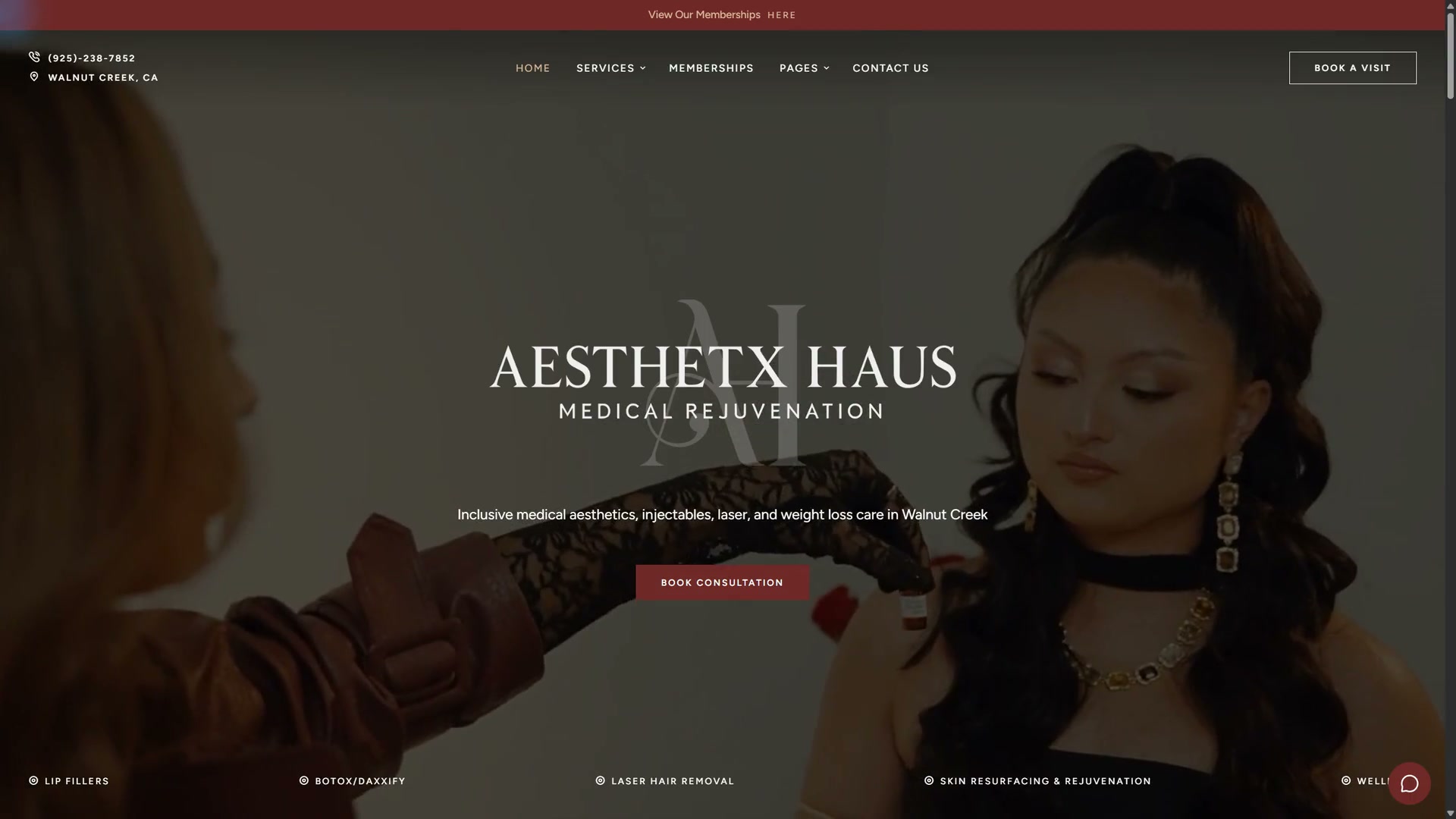
A business with one core offer can often explain it on a single services page. A business with distinct treatments, repairs or packages usually needs a page for each, because each one has its own questions, pricing logic and search terms. Our work for Aesthetx Haus, a med spa in Walnut Creek, California, was organized across eight treatment categories, which is a very different job from a single menu page.
2. Who writes and structures the copy
Copy is the most commonly underestimated cost. If you supply finished text, the build is simpler. If someone has to interview you, reorganize what you offer and rewrite it for customers, that is real strategy work and should appear in the quote.
3. Booking, quoting and payment connections
Linking a button to an existing scheduler is small. Connecting a multi-step path across services, consultations and financing takes more planning and testing. Aesthetx Haus kept its existing Mangomint booking system, so the work was to connect the new site to it and add a clear financing route through Cherry rather than replace the clinic’s software.
4. Custom tools
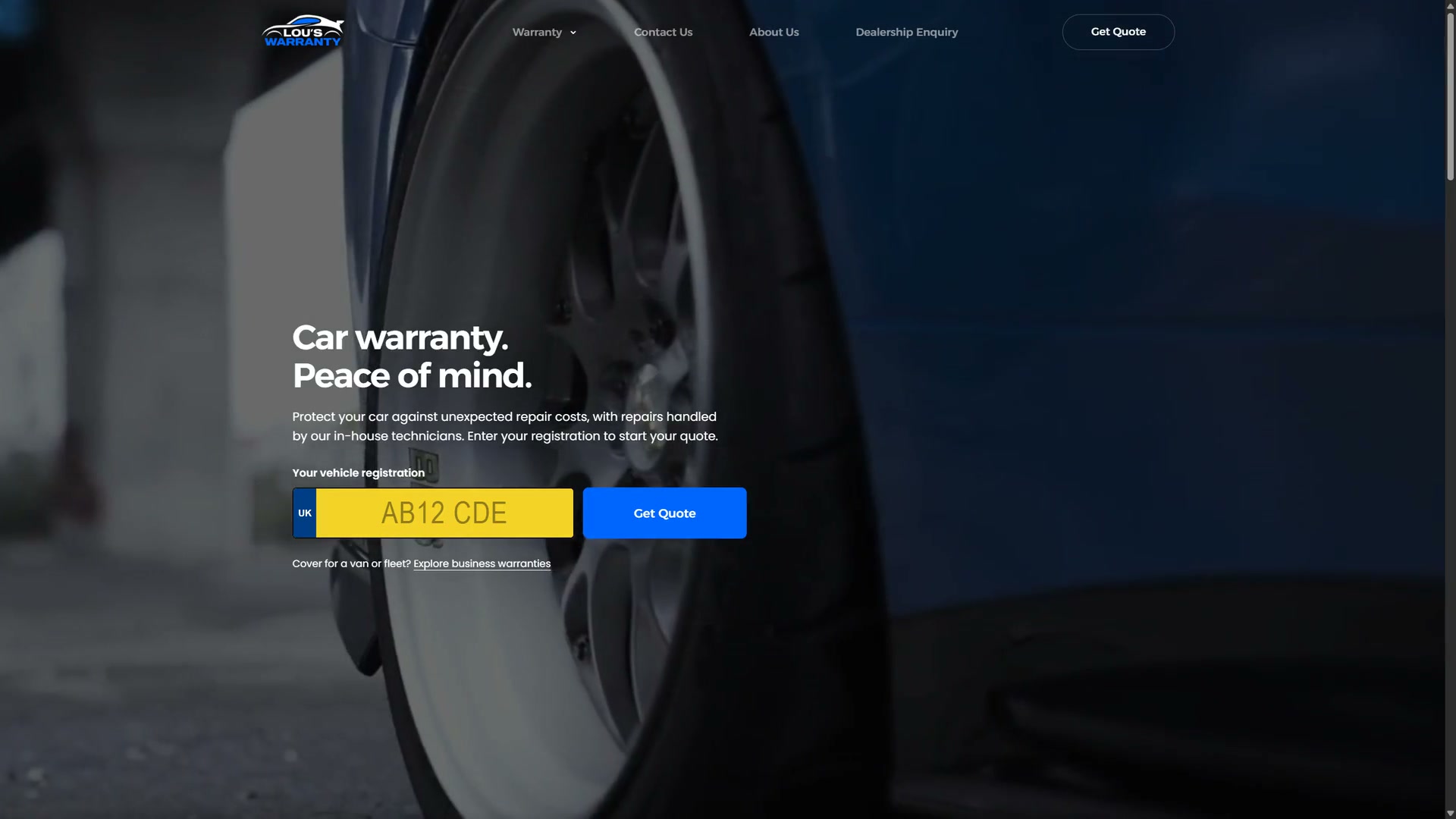
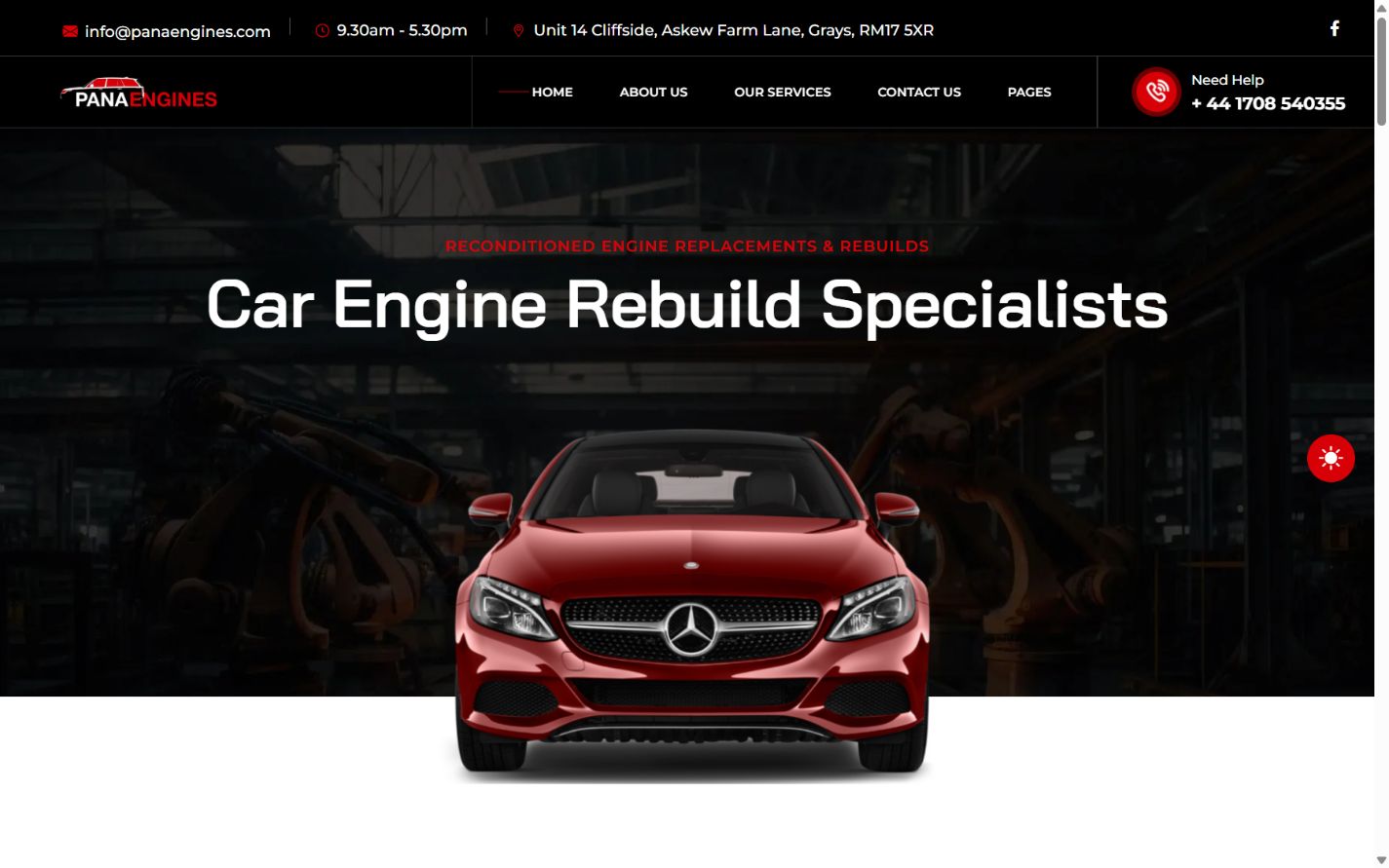
Custom software is a separate category from website design. For Lou’s Warranty, we built a pricing CRM for warranty quotations alongside the website. For Pana Engines, we built a workshop system covering invoices, customer and vehicle records, job tracking, and collection and delivery coordination. Ask for this work to be scoped and priced as its own line item.
5. Migration from your current site
Moving a live business involves more than publishing new pages. Old URLs need redirects, and domain or email changes need care so messages keep arriving. Aesthetx Haus included both a domain and an email migration. If a quote does not mention redirects or email, ask who is responsible for them.
6. SEO scope
“SEO included” can mean anything from page titles to an ongoing content program. Ask exactly what is delivered at launch and what would cost extra. Be wary of any promise of a specific ranking. Google states plainly that there is no way to request or pay for a better local ranking.
What to budget for your situation
- New or very small business: a focused site of about five pages is usually enough. Spend on clear positioning and a working contact path before adding features.
- Established business replacing an outdated site: plan for individual service pages, edited copy, a booking or inquiry flow, and initial local SEO.
- Multi-service clinic or larger operator: plan for 15 or more pages, integrations with the tools you already use, and a campaign landing page if you run paid traffic.
- Business with messy internal processes: budget for the website and any custom system separately, so you can phase them.
Costs that continue after launch
A build price is rarely the total cost of ownership. Before you sign, ask who pays for and manages each of these:
- Domain renewal and hosting
- Business email
- Booking, CRM, form or review software subscriptions
- Content updates, such as new services, staff or offers
- Technical maintenance and fixes after any included support period ends
- Ongoing SEO or AI search work, if you want it
Mavara House website pricing
We publish our packages so you can compare them with other quotes. Prices are in USD.
| Package | Price | Best suited to | Scope |
|---|---|---|---|
| Launch | $1,999 | New or small businesses | Up to 5 pages, one combined services page, client-supplied copy, contact form |
| Growth | $3,999 | Established businesses rebuilding a site | Around 10 pages, individual service pages, edited copy, booking or inquiry flow, gallery, initial local SEO |
| Authority | $7,999 | Multi-service clinics and larger sites | Around 15–20 pages, service pages plus a campaign page, edited copy, inquiry flow connected to your CRM or booking system, gallery, initial local SEO |
Every package includes mobile-first design, inquiry forms and click-to-call, speed optimization, on-page SEO setup, redirects from your old site, Analytics and Search Console, two revision rounds, and 30 days of post-launch fixes. Ongoing maintenance and further improvements are agreed separately. See the full package details.
Eight questions to ask before accepting a quote
- How many pages are included, and which ones?
- Who writes, edits and approves the copy?
- Which booking, CRM or payment tools will be connected, and how?
- Will my old URLs be redirected?
- Who handles domain and email changes?
- How many revision rounds are included?
- What support is included after launch, and for how long?
- What are the recurring costs once the site is live?
If your budget is fixed, share it early. A good partner can tell you what to build first and what can wait. If you already have a site that attracts visitors but few customers, read how to find out why your website is not producing leads before paying for a rebuild.